Master 2026 Bluetooth 6.0 Rollout: Upgrade US IoT Devices Fast
Advertisements
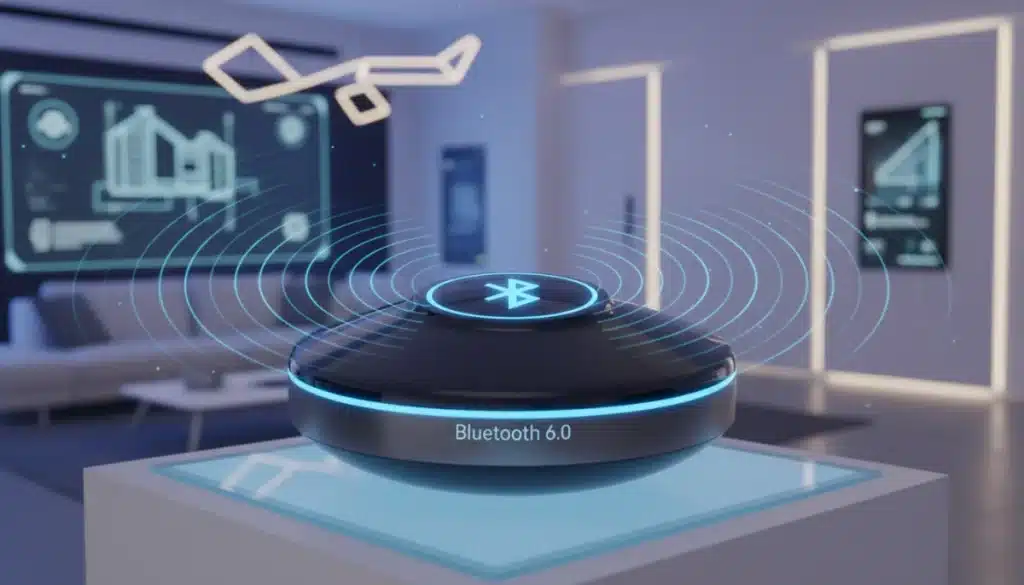
The 2026 Bluetooth 6.0 rollout promises revolutionary enhancements for US IoT devices, offering faster speeds, increased range, and superior energy efficiency, critical for seamless smart home and industrial applications, making efficient upgrades essential for optimal performance.
The impending Master 2026 Bluetooth 6.0 Rollout: Insider Tips to Upgrade US IoT Devices in Under 2 Hours is set to redefine connectivity for millions of users across the United States. Are your smart home gadgets, wearables, and industrial sensors ready for this monumental leap? This comprehensive guide offers actionable strategies to ensure your devices are not just compatible, but optimized, for the new standard, minimizing downtime and maximizing performance.
Understanding Bluetooth 6.0: A Game Changer
Bluetooth technology has continuously evolved, and the 6.0 iteration, slated for a significant rollout in 2026, represents a pivotal moment for the Internet of Things (IoT). This version isn’t just an incremental update; it’s a foundational shift designed to address the growing demands of an increasingly connected world. Expect improvements that will impact everything from data transfer speeds to the reliability of your interconnected devices.
The core enhancements of Bluetooth 6.0 revolve around three key areas: speed, range, and power efficiency. These advancements are critical for the burgeoning IoT ecosystem, where devices need to communicate seamlessly and reliably without constantly draining power. For US consumers and businesses, understanding these changes is the first step toward a successful integration.
Enhanced Data Throughput
One of the most anticipated features of Bluetooth 6.0 is its significantly enhanced data throughput. This means faster and more reliable communication between devices, which is particularly beneficial for applications requiring real-time data exchange, such as health monitors or industrial sensors.
- Faster File Transfers: Quicker sharing of larger data packets.
- Reduced Latency: Near-instantaneous response times for critical applications.
- Improved Streaming: Higher quality audio and video streaming experiences.
Extended Range and Mesh Networking
Bluetooth 6.0 also brings substantial improvements to connection range, allowing devices to operate effectively over greater distances. This is coupled with advanced mesh networking capabilities, meaning devices can relay signals to each other, creating a robust and expansive network.
This extended range and mesh functionality are crucial for smart homes and large commercial spaces, where devices might be spread across multiple rooms or floors. It ensures that every corner of your environment remains connected, minimizing dead zones and improving overall system stability. The ability for devices to self-organize and extend the network’s reach autonomously is a significant step forward.
In essence, Bluetooth 6.0 is engineered to build more resilient, faster, and more energy-efficient IoT networks. These fundamental improvements will directly translate into a more responsive and reliable user experience, making the upgrade a necessity rather than a luxury for many.
Assessing Your Current IoT Devices for 6.0 Compatibility
Before diving into any upgrade process, a thorough assessment of your existing IoT devices is paramount. Not all devices will be immediately compatible with Bluetooth 6.0, and understanding the nuances of your current hardware is key to a smooth transition. This initial phase helps identify which devices can be upgraded via firmware, which require hardware replacements, and which might benefit from a phased approach.
Start by creating an inventory of all your Bluetooth-enabled IoT devices. This includes everything from smart lights and thermostats to security cameras and fitness trackers. For each device, gather information on its model number, manufacturer, and current Bluetooth version. This data will be instrumental in determining its upgrade path.
Identifying Upgrade Paths
Compatibility with Bluetooth 6.0 can vary widely. Some newer devices may be designed with future-proofing in mind, allowing for simple software updates. Older devices, however, might lack the necessary hardware components to support the new standard, necessitating a replacement.
- Firmware Updates: Check manufacturer websites for announced 6.0 firmware.
- Hardware Upgrades: Evaluate if a module or accessory can enable 6.0.
- Replacement Planning: For older devices, consider strategic replacements.
Consulting Manufacturer Resources
The most reliable source of information regarding Bluetooth 6.0 compatibility and upgrade instructions will always be the device manufacturers. Visit their official support pages, FAQs, and forums. Many manufacturers will release specific guides or announcements leading up to the 2026 rollout, detailing which products will support the new standard and how to perform the upgrade.
Pay close attention to any timelines or prerequisites mentioned by manufacturers. Some updates might require specific operating system versions on your control hubs or smartphones. Proactive research now can save significant time and frustration during the actual rollout period. This step is critical for ensuring you have accurate information directly from the source.
By systematically assessing your devices and consulting official resources, you’ll gain a clear picture of your readiness for Bluetooth 6.0. This foundational work ensures that your upgrade strategy is informed and efficient, paving the way for a seamless transition.
Pre-Upgrade Checklist: Preparing for a Seamless Transition
A successful Bluetooth 6.0 upgrade hinges on meticulous preparation. Rushing into the process without a proper checklist can lead to unforeseen complications, extended downtime, or even device malfunctions. This section outlines the essential steps to take before initiating any firmware updates or hardware installations, ensuring a smooth and efficient transition for your US IoT devices.
The goal is to minimize disruption and maximize the chances of a quick, sub-2-hour upgrade for each device. This involves not only technical checks but also ensuring you have access to necessary tools and information. Think of it as a pre-flight check for your smart ecosystem.
Network Stability and Power Supply
Ensure your home or office network is stable and reliable. A dropped internet connection during a firmware update can brick a device. Similarly, verify that all devices slated for upgrade have a stable power supply or are fully charged. Interrupting a power-sensitive update can render a device inoperable.
- Stable Wi-Fi: Confirm strong and consistent internet connectivity.
- Full Charge/Power: Ensure devices are powered throughout the update.
- Backup Data: For critical devices, backup any configurable settings.
Software and App Updates
Many IoT devices rely on companion apps or central hubs for management and updates. Before attempting a Bluetooth 6.0 upgrade, ensure all these associated applications and hub software are fully updated to their latest versions. Manufacturers often push prerequisite updates that prepare the device’s ecosystem for major protocol changes.
Check your smartphone’s app store for updates to your smart home apps. If you use a dedicated smart hub, navigate to its settings to check for system updates. An outdated app or hub could prevent the Bluetooth 6.0 update from being recognized or properly installed on your devices. This step is often overlooked but is absolutely vital for success.
Following this pre-upgrade checklist diligently will significantly reduce the risk of issues during the Bluetooth 6.0 rollout. Proper preparation is the cornerstone of an efficient and trouble-free upgrade experience, ensuring your IoT devices are truly ready for the next generation of connectivity.
The 2-Hour Upgrade Strategy: Step-by-Step Implementation
Achieving a swift, sub-2-hour upgrade for your US IoT devices to Bluetooth 6.0 requires a clear, methodical approach. This strategy breaks down the process into manageable steps, focusing on efficiency and minimizing potential roadblocks. While individual device requirements may vary, these general guidelines will help streamline the upgrade across your entire smart ecosystem, allowing you to quickly leverage the new capabilities.
The key is to tackle devices systematically, starting with the most critical or easiest to update, and then moving to more complex integrations. This phased approach helps build confidence and allows for troubleshooting without impacting your entire setup simultaneously.
Prioritizing Devices for Upgrade
Begin by identifying your most critical IoT devices – those that impact daily routines or essential services. These might include smart locks, security cameras, or health monitoring devices. Prioritize these for the initial upgrade, as their seamless operation is paramount. Following this, group similar devices together for batch updates where possible.
- Critical Devices First: Secure essential functions immediately.
- Batch Similar Devices: Update multiple identical devices together.
- One Device at a Time: Avoid simultaneous updates to prevent conflicts.
Executing the Firmware Update
For devices that support firmware upgrades, the process typically involves accessing the device’s companion app or web interface. Look for a ‘Firmware Update’ or ‘Software Update’ section. Ensure you are connected to a stable network and the device is powered. Initiate the update and monitor its progress. Do not interrupt the process once it has started.
Some devices might require a manual download of firmware from the manufacturer’s website, followed by a local installation via USB or a direct network connection. Always follow the manufacturer’s specific instructions meticulously to avoid errors. Once the update is complete, perform a quick functionality test to confirm everything is working as expected.
By following this structured 2-hour upgrade strategy, you can efficiently transition your IoT devices to Bluetooth 6.0. This systematic approach ensures that you harness the benefits of the new standard with minimal downtime and maximum confidence in your connected environment.
Troubleshooting Common Upgrade Issues
Even with the best preparation, unexpected issues can arise during any technology upgrade. When transitioning your US IoT devices to Bluetooth 6.0, encountering minor hiccups is a possibility. Knowing how to effectively troubleshoot these common problems can significantly reduce frustration and keep your upgrade process within the desired two-hour window. The key is to remain calm and follow a systematic diagnostic approach.
Many problems can be resolved with simple steps, while others might require a deeper dive into device settings or manufacturer support. Always document any error messages or unusual behavior, as this information will be crucial if you need to seek external help.
Connectivity Problems Post-Update
If a device fails to connect after a Bluetooth 6.0 update, start by checking the basics. Ensure Bluetooth is enabled on both the device and its controlling hub/smartphone. Try forgetting the device from your Bluetooth settings and re-pairing it. Sometimes, a simple reboot of both the IoT device and the controlling device can resolve transient connectivity issues.
- Reboot Devices: Power cycle both the IoT device and controller.
- Re-pair Bluetooth: Remove and re-add the device in settings.
- Check Proximity: Ensure devices are within optimal range.
Update Failures and Rollbacks
An update failure can be alarming, but many devices have built-in safeguards. If an update fails, check the device’s status indicators. Some devices may automatically attempt a rollback to the previous firmware version. If not, consult the manufacturer’s troubleshooting guide for instructions on how to manually re-attempt the update or perform a factory reset.
It’s important not to panic and repeatedly try the same failed update without investigation. Look for specific error codes or messages. These often point directly to the root cause, such as insufficient storage space on the device or a corrupted download file. In some cases, a hard reset to factory settings, followed by a fresh update attempt, might be necessary.
Effective troubleshooting is an integral part of any tech rollout. By understanding common issues and knowing how to address them, you can navigate the Bluetooth 6.0 upgrade with greater confidence, ensuring your IoT ecosystem is swiftly brought up to the latest standards.
Maximizing Bluetooth 6.0 Benefits: Post-Upgrade Optimization
Once your US IoT devices are successfully upgraded to Bluetooth 6.0, the journey isn’t over. To truly leverage the enhanced capabilities of this new standard, post-upgrade optimization is crucial. This involves fine-tuning settings, exploring new features, and ensuring your devices are operating at their peak performance. Maximizing these benefits will enhance your smart home or industrial environment, making it more responsive, efficient, and secure.
The goal is to move beyond mere compatibility and actively harness the advantages that Bluetooth 6.0 offers, from improved responsiveness to extended battery life. This proactive approach ensures your investment in the upgrade yields tangible returns in daily usage.
Exploring New Features and Settings
Bluetooth 6.0 introduces several new functionalities that might not be immediately apparent. Dive into your device’s companion apps or control hubs to explore updated settings. Look for options related to enhanced data rates, extended range modes, or improved mesh networking configurations. Adjusting these settings can significantly impact device performance and responsiveness.
- App Exploration: Discover new settings and features in updated apps.
- Performance Modes: Enable high-performance or power-saving options.
- Network Configuration: Optimize mesh network settings for coverage.
Security Enhancements and Best Practices
Bluetooth 6.0 often comes with strengthened security protocols. Take advantage of these by ensuring all security features are enabled and properly configured. This includes strong passphrases, two-factor authentication where available, and regularly checking for further security updates. A robust security posture is paramount in an interconnected IoT ecosystem.
Beyond technical settings, adopt best practices for managing your upgraded devices. Regularly monitor their performance, keep an eye on battery life, and stay informed about any further software updates. Consider segmenting your IoT network for added security, especially for critical devices. Proactive management ensures both optimal performance and protection against potential vulnerabilities.
By actively optimizing your Bluetooth 6.0-enabled devices, you’re not just ensuring compatibility; you’re unlocking a new level of intelligent automation and efficiency. This post-upgrade phase is vital for fully realizing the transformative potential of the 2026 rollout across your US IoT landscape.
| Key Aspect | Brief Description |
|---|---|
| Compatibility Check | Assess existing IoT devices for Bluetooth 6.0 support via manufacturer info. |
| Pre-Upgrade Prep | Ensure stable network, power, and updated companion apps before starting. |
| 2-Hour Strategy | Prioritize critical devices, update systematically, and test functionality immediately. |
| Post-Upgrade Optimization | Explore new features, adjust settings, and enhance security for peak performance. |
Frequently Asked Questions About Bluetooth 6.0 Upgrade
Bluetooth 6.0 offers significant improvements in data transfer speeds, extended communication range, and enhanced power efficiency. These advancements lead to more reliable connections, faster responsiveness for smart devices, and longer battery life, greatly improving the overall user experience in smart homes and industrial IoT applications.
Not necessarily. While some newer devices might support Bluetooth 6.0 via a firmware update, older hardware may lack the necessary components. It’s crucial to check with each device manufacturer for specific compatibility information and recommended upgrade paths. Some devices might require hardware replacements.
If an update fails, first try rebooting both the IoT device and its controlling hub/smartphone. If connection issues persist, try removing and re-pairing the device in your Bluetooth settings. Always consult the manufacturer’s troubleshooting guide or support for specific error messages or persistent problems.
Yes, with proper preparation and a systematic approach, it’s possible. Prioritize critical devices, ensure a stable network, and update companion apps beforehand. Batch similar devices for efficiency, but update one at a time to prevent conflicts. This methodical strategy minimizes downtime for each device.
Bluetooth 6.0 often includes enhanced security. To maximize this, enable all available security features, use strong passphrases, and consider two-factor authentication. Regularly check for firmware security updates from manufacturers and adopt best practices like network segmentation for critical devices to protect your smart ecosystem.
Conclusion
The 2026 Bluetooth 6.0 rollout represents a significant advancement for the Internet of Things, promising a more connected, efficient, and responsive digital landscape across the US. By understanding its core benefits, meticulously assessing current device compatibility, and adhering to a structured upgrade strategy, you can ensure a swift and seamless transition for your IoT ecosystem. Proactive preparation, systematic implementation, and diligent post-upgrade optimization are key to unlocking the full potential of this revolutionary wireless standard, empowering your smart devices to perform at their best and enhancing your overall connected experience.
